Schedule a Demo
Schedule a 30 minute demo with one of our specialists.


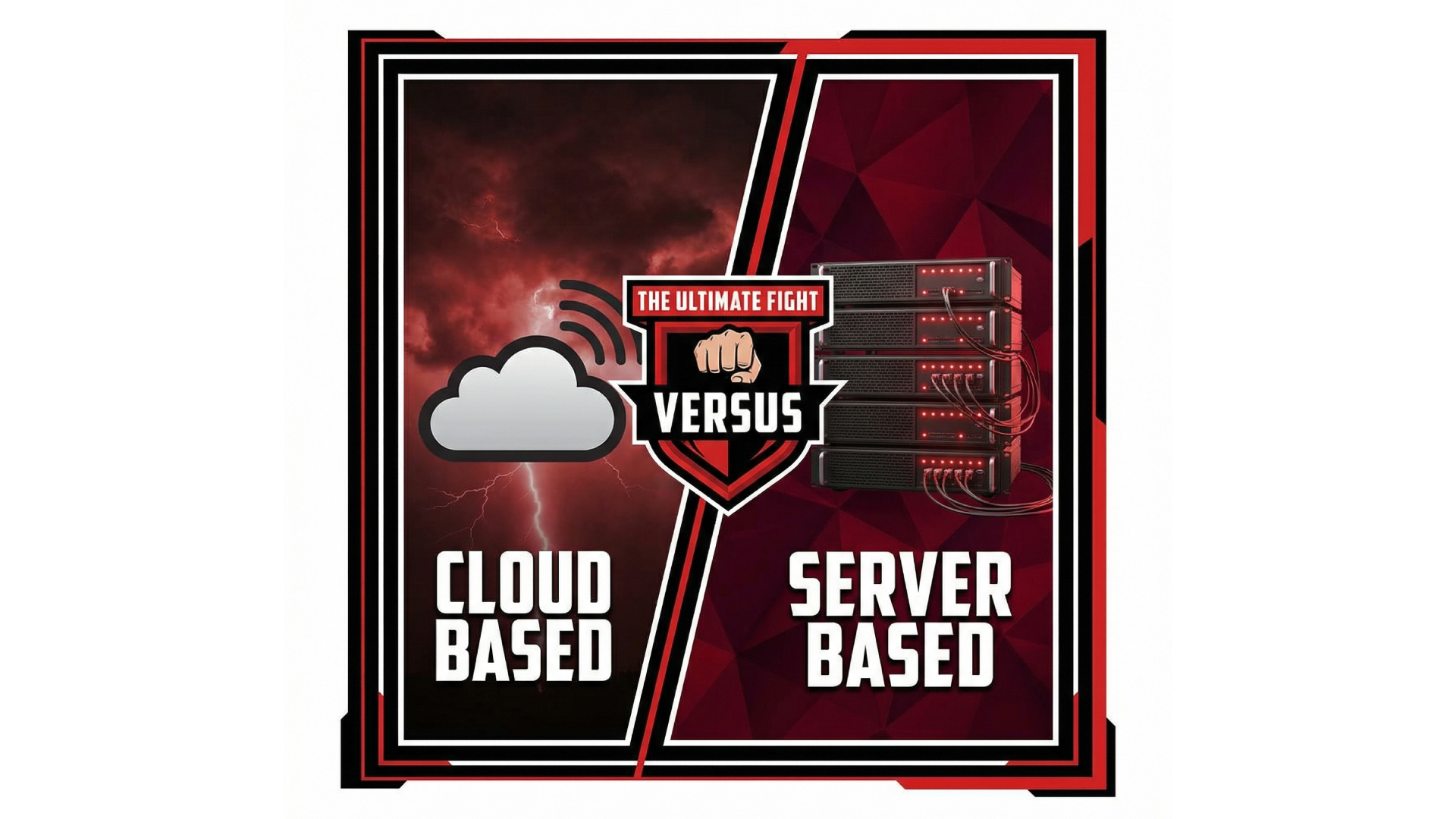
Why Cloud-Based Key Control Systems Outlast Server-Based Alternatives
If you're evaluating key control systems for your dealership, fleet, government facility, or property management operation, you've probably come across a range of options. They all promise security, accountability, and control. But there's a fundamental difference under the hood that most buyers don't discover until years after installation, when an upgrade notice arrives, or a system stops talking to itself.
That difference is cloud versus server.
The Problem With Server-Based Key Control
Many of the most widely marketed key control systems store their data and run their software locally, on hardware that lives inside your facility. That sounds straightforward, but it creates a compounding problem over time.
Every piece of hardware has a lifespan. Every software version eventually reaches an “end of life.” And when that happens, you're not just looking at a software update, but you're often looking at a full system replacement.
Most server-based key control systems have an effective lifespan of five to seven years before the manufacturer stops supporting them. Once support ends, you're on your own. Security patches stop, the software updates stop, and if something breaks, your options narrow quickly.
Here's where it gets even more frustrating. Many organizations running server-based systems discover that units purchased just three years apart can't communicate with each other because they're running different software platforms. If you have multiple locations or if you've expanded your operation over time, getting those systems to talk to each other often requires dedicated networking infrastructure and significant IT involvement. It's expensive, complicated, and frankly, it shouldn't be that hard.
Forced upgrades and trade-ins are part of the business model for many server-based providers. When your system hits end of life, the path forward usually runs through their sales team.
How Cloud Changes Everything
1Micro built the iSafe on Amazon Web Services, one of the most trusted and battle-tested cloud infrastructures in the world. That decision has a ripple effect that touches every part of how the system performs and ages.
Because the iSafe runs on AWS, software updates happen automatically in the background. There is no end-of-life event. There is no moment where your system stops receiving support because the hardware is too old. The software your iSafe runs today is the same up-to-date platform that a brand new iSafe runs. They speak the same language because they're connected to the same cloud.
That's not a small thing. That's the difference between a system that grows with your operation and one that holds it hostage.
25+ Year Old Systems Still Under Warranty
Here's something that genuinely sets 1Micro apart from the competition. Because the iSafe is cloud-based and paired with in-house American manufacturing, 1Micro has systems in the field that are 25+ years old and still covered under warranty. Still receiving software updates. Still performing the way they did on day one.
Think about what that means from a total cost of ownership perspective. A server-based competitor might need to be replaced once or twice in that same window, each replacement carrying installation costs, retraining, and the operational disruption of switching systems. A cloud-based iSafe just keeps running.
This is possible because 1Micro controls both sides of the equation. The hardware is built in-house at their US manufacturing facility using aircraft-grade aluminum frames and custom circuit boards engineered for longevity. The software lives in the cloud and never ages out. When you combine durable hardware with evergreen software, you get a system that simply doesn't have an expiration date.
Multi-Location Operations Are Where This Really Matters
For organizations managing multiple locations, whether that's a dealership group, a regional fleet operation, a property management company, or a government agency with multiple facilities, the cloud advantage becomes even more significant.
Every iSafe system, regardless of when it was installed, connects to the same cloud platform. That means your locations communicate with each other natively. Enterprise reporting pulls data from all sites into a single dashboard. You don't need specialized networking or IT infrastructure to make it work. It just works, because that's what cloud-based architecture is designed to do.
Server-based systems require deliberate, often expensive networking to achieve the same result, and even then, version mismatches between older and newer units can create gaps in visibility and reporting.
What This Means When You're Making a Buying Decision
When you're evaluating key control systems, the upfront price matters. But it's not the whole picture. The right question isn't just "what does this cost today?" It's "what does this cost over ten years, and will it still be supported?"
A server-based system that needs replacement at year five or six is not cheaper than a cloud-based system that's still running strong at year twenty-five. When you factor in forced upgrades, trade-in costs, retraining, and the operational disruption of a system replacement, the math changes significantly.
1Micro's cloud-first approach was built with that long view in mind. The iSafe is not a product you buy and eventually replace. It's a platform you invest in once and continue to benefit from as your operation grows and evolves.
The Bottom Line
Cloud-based key control isn't just a feature. It's a fundamentally different philosophy about how a key management system should work and how long it should last.
Many competing systems are built around hardware cycles and software versions that inevitably reach their limit. When they do, the cost and disruption fall on you.
The iSafe is built on AWS, manufactured in the USA, and designed to run indefinitely without forced upgrades, end-of-life events, or communication gaps between locations. That's why 1Micro has systems in the field that are 25+ years old and still fully supported.
If you're making a long-term investment in key control, it's worth knowing which type of system you're actually buying.
Interested in learning more about how the iSafe compares to server-based key control systems? Contact 1Micro to talk through your operation and get a side-by-side comparison built for your specific needs.